
Still reading old texts at 2 am?
Still replaying the same fights on a loop?
Moving on from a toxic relationship is harder than anyone admits.
Not because you’re weak.
Because these relationships rewire your brain.
This is for the person who’s heard “just move on” so many times they want to throw something.
The Biggest Lie About Moving On From a Toxic Relationship

Time heals everything.
You’ve heard it. It’s wrong.
Time without action just gives you more hours to replay the same fights. More time to wonder what you did wrong. More time to miss someone who hurt you.
Then feel ashamed for missing them.
Dr. Judith Herman is a trauma psychiatrist at Harvard. She wrote Trauma and Recovery. She spent decades studying this.
Her research was clear. Trauma recovery doesn’t happen on its own.
It takes active work. Done in stages. With real support.
Waiting does one thing. It keeps the wound open.
So if you’ve been “moving on” for two years and still feel like garbage — that’s not a flaw in you. You’ve just been given bad instructions.
Why Toxic Relationships Are So Hard to Get Over

Here’s what the “just love yourself” crowd never explains.
A toxic relationship doesn’t just hurt you.
It changes how your brain works.
You’re stuck in a cycle. Tension. Blowup. Reconciliation. Repeat.
Your brain adapts to that. Dopamine spikes during the good moments. Cortisol floods you during the bad ones.
Over time, your nervous system starts treating that chaos as normal.
As home.
Researchers at the University of Colorado found something telling. Intermittent reinforcement creates stronger attachment than consistent love does.
Random reward and punishment. That’s the cycle.
The more unpredictable someone was, the harder they are to get over.
This is why you can’t think your way out of missing them.
At that point it’s not love. It’s conditioning.
Can You Really “Just Delete Their Number and Move On”?

Some people think so.
“People move on every day. Stop being dramatic. Just delete their number.”
Sure. Some relationships end clean. Both people walk away okay.
But you know the difference.
A breakup. Versus getting out of something that made you question your own memory. Your own mind. Your own worth.
Gaslighting is real. Emotional abuse is real.
The confusion you feel after leaving isn’t you being dramatic. It’s documented.
Researchers at Baylor University found this. People leaving psychologically abusive relationships showed trauma symptoms on par with physical abuse survivors.
Same brain activity. Same recovery timeline.
No, you can’t just delete a number and walk away from that.
What Actually Works When Recovering From a Toxic Relationship
No vague advice. No poster quotes. Here’s what moves the needle.
Stop calling it a breakup.
The word “breakup” implies two people who decided things weren’t working.
That’s not what this was.
Call it what it was. That’s not denial. That’s accuracy.
When you do, you stop grieving a fantasy. You start processing what really happened.
Cut contact. Completely.
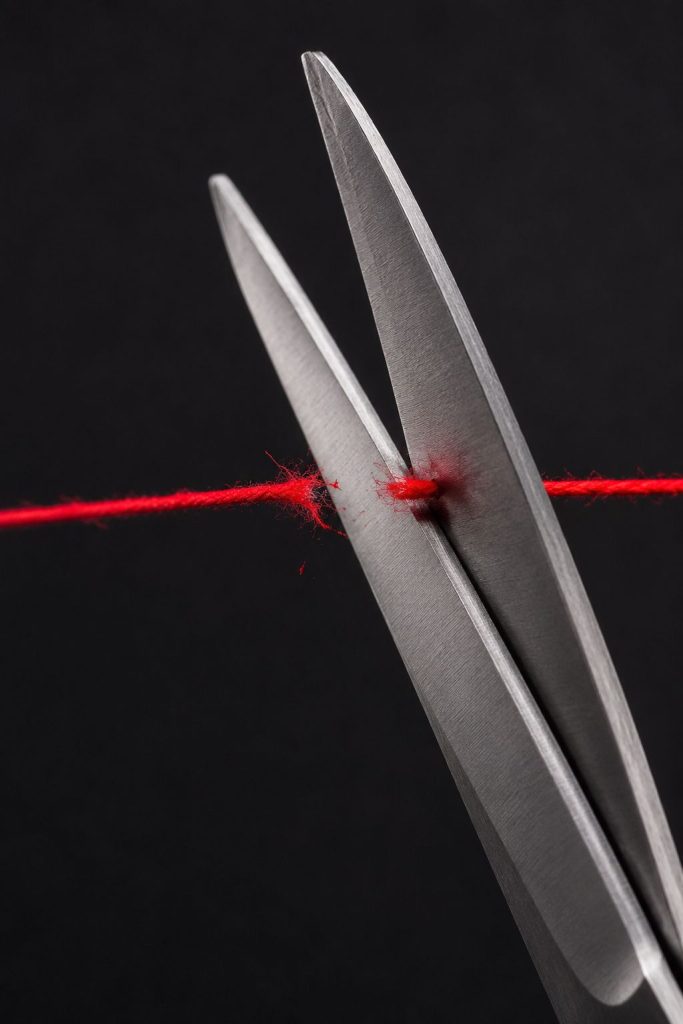
Not “mostly.”
Not “we’re still friends.”
Not “just checking in.”
Complete. Zero. Contact.
Every small interaction restarts the attachment cycle in your brain. One text sets you back weeks.
Therapists who work with relationship trauma see this constantly. It’s not a theory.
Stop Looking at Their Life Online
Checking their Instagram at midnight isn’t healing.
It’s picking at a scab and wondering why it won’t close.
Every photo you stare at. Every tagged location. Every new person you research for an hour.
That’s just your brain hunting for proof. To confirm whatever story it’s already running.
You won’t find closure on their Instagram.
You’ll find more questions.
Write the Ugly Version of What Happened
Not the version where you almost made it work.
The real version.
Write what they actually said to you. What you made excuses for. The moments you felt small, stupid, or crazy.
Get it out of your head. Onto paper. Where you can see it clearly.
This is called expressive writing.
Researchers at the University of Texas found it reduces intrusive thoughts. It improves emotional processing too. Far better than just waiting it out.
Find One Person Who Gets It
Not to vent forever. Not to pick the relationship apart for months.
One person. Who can say “yeah, that was not okay” when you describe what happened.
Validation from a real human matters. A journal won’t do the same thing. A playlist won’t either.
Isolation makes recovery harder. Not easier.

The Red Flags That Look Like Love
Get the free checklist of the toxic patterns that disguise themselves as chemistry, certainty, and being chosen, with the one question that exposes each one.
Straight to your inbox, along with The Safe Love Reset every Monday. No spam, no shaming, leave anytime.
The Shame That Keeps You Stuck the Longest

Here’s the part nobody talks about.
You’re ashamed you stayed.
You knew something was wrong. You felt it. You stayed anyway. Maybe more than once.
So on top of the pain of leaving, you carry this extra weight.
“Why didn’t I just go sooner?”
That shame is a trap. And it is a lie.
Trauma bonding forms in cycles of abuse and reconciliation. It’s not a personal failure. It’s a predictable response to a specific type of environment.
Researchers have documented it in kidnapping victims. In cult members. In abuse survivors across completely different contexts.
You did not stay because you were weak.
You stayed because your brain did exactly what brains do under those conditions.
Forgive yourself for it. Not as a cliche. As an actual decision you make.
How Long Does It Actually Take to Get Over a Toxic Relationship?

This is the question everyone asks.
Here’s the honest answer.
Longer than you want. Shorter than you fear.
Some days you’ll feel fine. Then a song plays and you’re back at zero.
That’s normal. That’s not failure. That’s how the brain handles complicated loss.
The goal isn’t to never think about them.
The goal is that when you do, it hurts a little less each time.
Until one day you realize you went three days without thinking about them at all.
That day comes. It really does.
But it comes faster when you do the work. Not when you wait.
What You’re Actually Building Toward

Moving on from a toxic relationship isn’t about pretending it didn’t happen.
It’s not about winning the breakup.
It’s not about meeting someone new.
It’s about getting back to yourself.
The version of you that trusts your own judgment again. That doesn’t flinch when someone raises their voice. That knows the difference between loving someone and surviving someone.
That version of you existed before this.
It’ll exist again.
One Thing the “Just Move On” People Never Consider
These people have usually never been in a relationship where they felt confused about reality.
Where they said sorry for things that weren’t their fault. Where every story started with “I know this sounds crazy, but.” Where they checked the other person’s mood before deciding how to feel.
If you’ve been there, you know. That’s not a normal breakup.
That’s recovering from something.
And recovery has real steps. Steps that work when you actually do them.
Not inspiration. Not a new haircut. Not pretending to be okay until it sticks.
Real work. With real results.
Start Here. Right Now...

Pick one thing. Do it today.
- Write one honest paragraph about what the relationship actually was
- Block them everywhere — not just mute
- Tell one person the real version of what happened
- Book one session with a therapist who works with relationship trauma
- Read Why Does He Do That by Lundy Bancroft — it reframes a lot
You didn’t end up here by accident.
Maybe you’re still in it. Maybe you left and can’t understand why it still hurts.
Either way, you’re asking the right questions.
Recovering from a toxic relationship is real work. And you’re more capable of it than anyone has told you.
Pick one thing from that list. Do it today. Not tomorrow.
That’s enough to start.